Anionic Polymer Powder
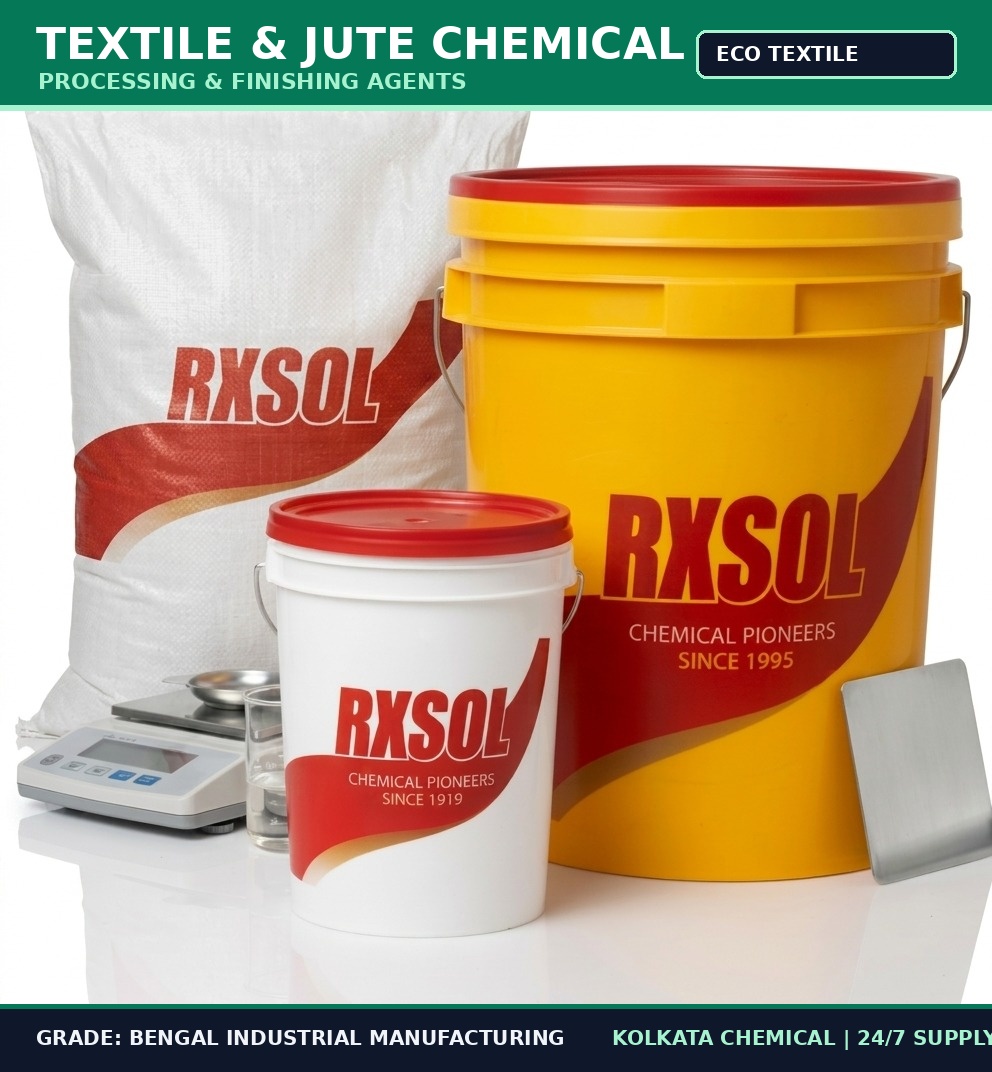
Polyacrylamide Flocculant to be used as flocculant in direct filtration process for settling of inorganic suspended solids, effluent water.
Application & Uses
It is used for effluent treatment of inorganic suspended solids found in chemical, Fishery, food, textile, dye, other effluent water, mining and coal washing waste water, metal processing, etc.
Paper Pharmaceutical Industrial medicine Textile Industry Plastic Fertilizer Water Treatment Toothpastes Nuclear Paints Lubricants Metal Oil Industry Rubber Organic Synthesis Printing Industry
Dosage & Directions for Use
The dosage range of Anionic Polyacrylamide Flocculant Anionic Polyelectrolyte Powder varies from 0.2 - 3.0 ppm depending upon the type of effluent and application. It is always advised to do a jar test for evaluating the functioning and approximate dosage of Anionic Polyacrylamide Flocculant Anionic Polyelectrolyte Powder.
Jar Test: Put sample of effluent in a beaker and add Anionic Polyacrylamide Flocculant Powder as designated, agitate for 1 minute at 100-120 rpm and then slowly agitate at 60rpm. Determine the floc properly at this time and note the sedimentation and clarity of top solution.
Procedure and precautions upon dispersion and dissolving flocculants:-
Dissolving time: The time required to dissolve the flocculant varies according to the type of flocculant, water quality, temperature and agitation. However, most flocculants generally require around 1 hour of agitation to completely dissolve the powder. Incomplete mixture of flocculant or lumping may inhibit the performance of the flocculant.
Agitation speed: The ideal revolution of the agitator is between 200-400rpm. A high speed agitator operating without reducing the revolution of a motor is not advised, since it may cut the molecules of the flocculant. An ideal agitator motor should be of 1HP for a 1-2m3 mixing tank.
Dissolving concentration: Flocculants should be standardly be dissolved to 0.1-0.2% concentration. It is also effective to start dissolving at a slightly higher concentration, and then dilute the flocculant mixture immediately before use.
Technical Specifications & Properties
Properties :
| Form | :Powder |
| Colour | :Off-white |
| Odour | :Odourless |
| Flash point | :Not applicable |
| Flammability | :Not flammable |
| Bulk density | :Approx. 750 kg/m3 |
| Self ignition | :Not self-igniting |
| Explosion hazard | :Not explosive |
| Fire promoting properties | :Not fire-propagating |
| Solubility in water |
:Forms a viscous solution. |
Recommended Industrial & Shipboard Areas
Product Description & Chemical Profile
Anionic Polyacrylamide Flocculant
Anionic Polyacrylamide Flocculant is an medium anionic charged polyelectrolyte to be used as flocculant in direct filtration process for settling of inorganic suspended solids, effluent water.
Need pricing, bulk volume, or vessel delivery today?
Send us your required quantity, chemical grade, delivery location, or vessel IMO number. Our technical chemical supply team replies within 1 hour.