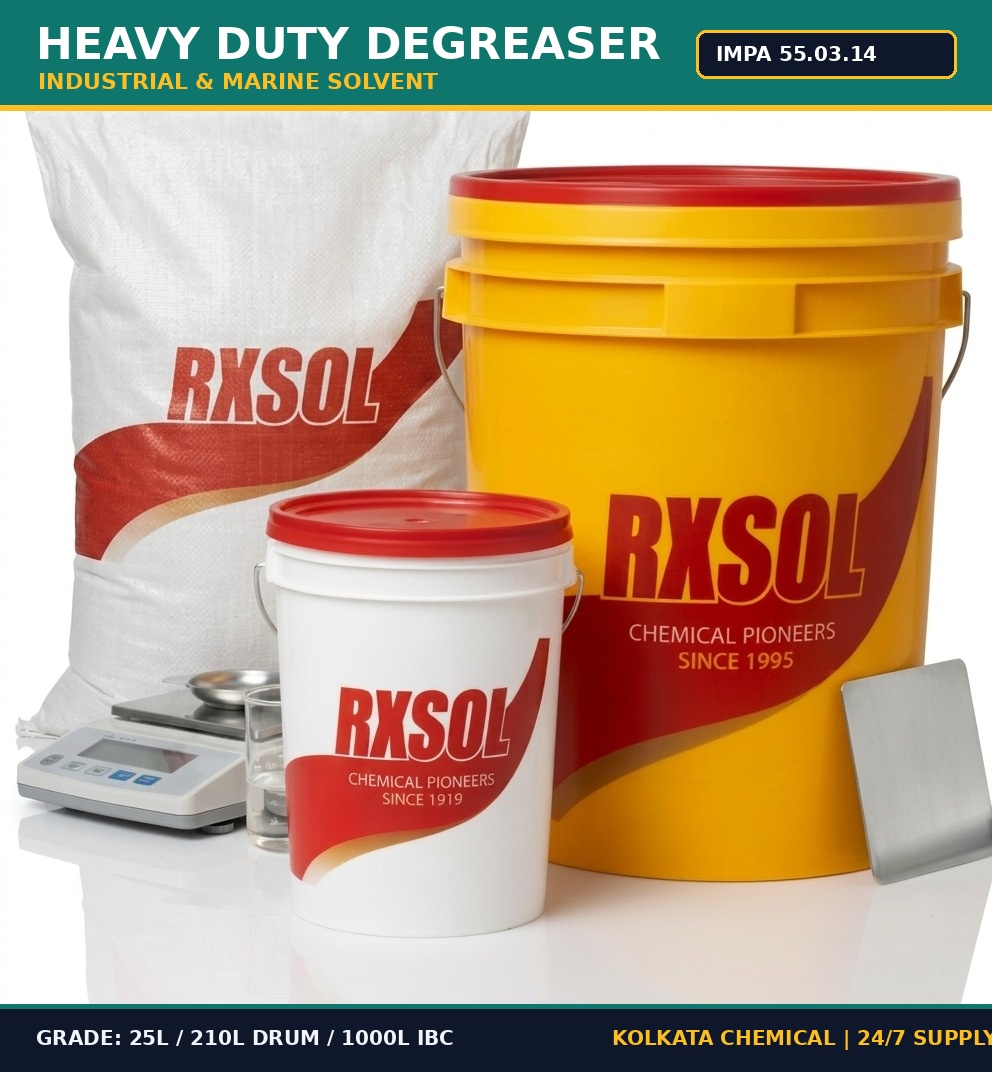
Cleaning Agent HP

Mixture Solvent
Category

Chemical Names: Ethanol; Ethyl alcohol; Alcohol; Methylcarbinol; Grain alcohol; Ethyl hydroxide. Molecular Formula: CH3CH2OH or C2H6O. Molecular Weight: 46.069 g/mol.

Dose

Technical specifications


Product Name    : Denaturerd Ethanol base Cleaning Agent
Odour   : VINOUS
Solubility in water     : Complete
Density   : 0.789   at 20    oC
Boiling point    : 78 oC
Melting point   : -117 oC
Viscosity     : 1.2 cp at 20 oC
Flashpoint   : 12oC
Explosive limits   : 3.3 – 19 Vol%
Vapour pressure    : 58 mbar at 20 oC
Skin absorption/irritation    : YES
TLV       Country  NL            Year  1995      : 1000 ppm              1900    mg/m3
Pollution category    1994     : III    


Note

Remarks / Precaution

Chemical Name, Ethyl Alcohol. Chemical Classification, Monohydric aliphatic alcohol. Synonyms. Ethanol, grain alcohol; fermentation alcohol; alcohol; methylcarbinol; absolute alcohol, anhydrous alcohol; ethyl hydrate; ethyl hydroxide; molasses alcohol; spirit etc

Packing sizes
<br />
MSDS

Product Name Cleaning Agent HP
Product Type RXSOL-14-1211-270

Company Details:
RX MARINE INTERNATIONAL
105, A wing , BSEL , TECH PARK.
VASHI ,NEW BOMBAY 400703 INDIA

Stock Point : Mumbai, Kandla, Chennai, Visakhapatnam, Kolkata, Fujairah, Muscat Oman

Phone +91 22 27815541 / 42
Fax +91 22 2781 1318 :::AOH :0091 9821214367
Email mail@rxmarine.com

Chemical Name

CAS #

% by weight

Ethylalcohol 200 Proof

64-17-5

99.5

Other Ingredient to make ethanol denatured ** **

** Denatonium benzoate: 0.0025% or Denatonium saccharide: 0.0005% or Methanol or Acetone/ ketone or Ethyl/ methyl acetate
Toxicological Data on Ingredients: Ethyl alcohol 200 Proof: ORAL (LD50): Acute: 7060 mg/kg [Rat]. 3450 mg/kg [Mouse].VAPOR (LC50):Acute: 20000 ppm 8 hours [Rat]. 39000 mg/m 4 hours [Mouse].

Potential Acute Health Effects

Hazardous in case of skin contact (irritant), of eye contact (irritant), . Slightly hazardous in case of skin contact(permeator), of ingestion. Non-corrosive for skin. Non-corrosive to the eyes. Non-corrosive for lungs.

Potential Chronic Health Effects

Slightly hazardous in case of skin contact (sensitizer)

Carcinogenic Effecets

Classified PROVEN by State of California Proposition 65 [Ethyl alcohol .Classified A4 (Not classifiable for human or animal.) by ACGIH [Ethyl alcohol ].

Mutagenic Effecets

Mutagenic for mammalian somatic cells. [Ethyl alcohol  Mutagenic for bacteria and/or yeast. [Ethyl alcohol ].

Treatogenic Effecets

Classified PROVEN for human [Ethyl alcohol .

Developmental Toxicity

Classified Development toxin [PROVEN] [Ethyl alcohol . Classified Reproductive system/toxin/female, Reproductive system/toxin/male [POSSIBLE] [Ethyl alcohol 200 Proof].The substance is toxic to blood, the reproductive system, liver, upper respiratory tract, skin, central nervous

Eye Contact

Check for and remove any contact lenses. Immediately flush eyes with running water for at least 15 minutes,keeping eyelids open. Cold water may be used. Get medical attention.

Skin Contact

In case of contact, immediately flush skin with plenty of water. Cover the irritated skin with an emollient. Remove contaminated clothing and shoes. Cold water may be used.Wash clothing before reuse. Thoroughly clean shoes before reuse. Get medical attention.

Serious Skin Contact

Wash with a disinfectant soap and cover the contaminated skin with an anti-bacterial cream. Seek medical attention.

Inhalation

If inhaled, remove to fresh air. If not breathing, give artificial respiration. If breathing is difficult, give oxygen. Get medical attention if symptoms appear.

Serious Inhalation

Evacuate the victim to a safe area as soon as possible. Loosen tight clothing such as a collar, tie, belt or waistband. If breathing is difficult, administer oxygen. If the victim is not breathing, perform mouth-to-mouth resuscitation. Seek medical attention.

Ingestion

Do NOT induce vomiting unless directed to do so by medical personnel. Never give anything by mouth to an unconscious person. Loosen tight clothing such as a collar, tie, belt or waistband. Get medical attention if symptoms appear

Serious Ingestion

Not available.

Flammability of the Product

Flammable.

Auto-Ignition Temperature

The lowest known value is 363°C (685.4°F) (Ethyl alcohol 200 Proof).

Flash Points

CLOSED CUP: 18.5°C (65.3°F).(estimated)

Flammable Limits

The greatest known range is LOWER: 3.3% UPPER: 19% (Ethyl alcohol 200 Proof)

Products of Combustion

These products are carbon oxides (CO, CO2).

Fire Hazards in Presence of Various Substances

Highly flammable in presence of open flames and sparks, of heat. Slightly flammable to flammable in presence of oxidizing materials. Non-flammable in presence of shocks, of reducing materials, of combustible materials, of organic materials, of metals, of acids, of alkalis.

Explosion Hazards in Presence of Various Substances

Slightly explosive in presence of open flames and sparks, of heat, of oxidizing materials, of acids. Non-explosive in presence of shocks.

Fire Fighting Media and Instructions

Flammable liquid, soluble or dispersed in water.

SMALL FIRE

Use DRY chemical powder.

LARGE FIRE

Use alcohol foam, water spray or fog.

Special Remarks on Fire Hazards


Containers should be grounded.
CAUTION

MAY BURN WITH NEAR INVISIBLE FLAME Vapor may travelconsiderable distance to source of ignition and flash back. May form explosive mixtures with air.Contact with Bromine pentafluoride is likely to cause fire or explosion.Ethanol ignites on contact with chromyl chloride.Ethanol ignites on contact with iodine heptafluoride gas.It ignites than explodes upon contact with nitrosyl perchlorate.Additon of platinum black catalyst caused ignition.(Ethyl alcohol 200 Proof)

Special Remarks on Explosion Hazards:
Ethanol has an explosive reaction with the oxidized coating around potassium metal.Ethanol ignites and then explodes on contact with acetic anhydride + sodium hydrosulfate (ignites and may explode), disulfuric acid + nitric acid, phosphorous(III) oxide platinum, potassium-tert-butoxide+ acids.Ethanol forms explosive products in reaction with the following compound : ammonia + silver nitrate (forms silver nitride and silver fulminate), iodine + phosphorus (forms ethane iodide), magnesium perchlorate (forms ethyl perchlorate), mercuric nitrate, nitric acid + silver (forms silver ulminate) silver nitrate (forms ethyl nitrate) silver(I) oxide + ammonia or hydrazine (forms silver nitride and silver fulminate), sodium (evolves hydrogen gas).Sodium Hydrazide + alcohol can produce an explosion.Alcohols should not be mixed with mercuric nitrate, as explosive mercuric fulminate may be formed.May form explosive mixture with manganese perchlorate + 2,2-dimethoxypropane.Addition of alcohols to highly concentrate hydrogen peroxide forms powerful explosives.Explodes on contact with calcium hypochlorite Vapor may explode if ignited in an enclosed area.Containers may explode when heated or involved in a fire.(Ethyl alcohol 200 Proof)

Small Spill

Dilute with water and mop up, or absorb with an inert dry material and place in an appropriate waste disposal container.

Large Spill 

Flammable liquid. Keep away from heat. Keep away from sources of ignition. Stop leak if without risk. Absorb with DRY earth, sand or other non-combustible material. Do not touch spilled material. Prevent entry into sewers, basements or confined areas; dike if needed. Be careful that the product is not present at a concentration level above TLV.Check TLV on the MSDS and with local authorities.

Precautions

Keep locked up.. Keep away from heat. Keep away from sources of ignition. Ground all equipment containing material. Do not ingest. Do not breathe gas/fumes/ vapor/spray. Wear suitable protective clothing. In case of insufficient ventilation, wear suitable respiratory equipment. If ingested, seek medical advice immediately and show the container or the label. Avoid contact with skin and eyes. Keep away from incom- patibles such as oxidizing agents, acids, alkalis, moisture.

Storage

Store in a segregated and approved area. Keep container in a cool, well-ventilated area. Keep container tightly closed and sealed until ready for use. Avoid all possible sources of ignition (spark or flame). Do not store above 23°C (73.4°F).

Engineering Controls

Provide exhaust ventilation or other engineering controls to keep the airborne concentrations of vapors below their respective threshold limit value. Ensure that eyewash stations and safety showers are proximal to the work-station location.

Personal Protection

Splash goggles. Lab coat. Vapor respirator. Be sure to use an approved/certified respirator or equivalent. Gloves.

Personal Protection in Case of a Large Spill

Splash goggles. Full suit. Vapor respirator. Boots. Gloves. A self contained breathing apparatus should be used to avoid inhalation of the product. Suggested protective clothing might not be sufficient; consult a specialist BEFORE handling this product.

Exposure Limits


Ethyl alcohol 200 Proof

TWA

1900 (mg/m3) from OSHA (PEL) [United States]

TWA

1000 (ppm) from OSHA (PEL) [United States]

TWA

1900 (mg/m3) from NIOSH [United States]

TWA

1000 (ppm) from NIOSH [United States]

TWA

1000 (ppm) [United Kingdom (UK)]

TWA

1920 (mg/m3) [United Kingdom (UK)]

TWA

1000 STEL: 1250 (ppm) [Canada]

Consult local authorities for acceptable exposure limits.

Physical state and appearance

Liquid.

Odor

Alcohol like. Mild to strong. Like wine or whiskey; Ethereal, vinous. Pleasant.

Taste

Burning. Pungent.

Molecular Weight

Not applicable.

Color

Clear Colorless.

pH (1% soln/water)

Neutral.

Boiling Point

The lowest known value is 78.5°C (173.3°F) (Ethyl alcohol 200 Proof). Weighted average: 79.58°C(175.2°F)

Melting Point

May start to solidify at -114.1°C (-173.4°F) based on data for: Ethyl alcohol 200 Proof.

Critical Temperature

The lowest known value is 243°C (469.4°F) (Ethyl alcohol 200 Proof).

Specific Gravity

Weighted average: 0.8 (Water = 1)

Vapor Pressure

The highest known value is 5.7 kPa (@ 20°C) (Ethyl alcohol 200 Proof). Weighted average: 5.53 kPa (@ 20°C)

Vapor Density

The highest known value is 1.59 (Air = 1) (Ethyl alcohol 200 Proof). Weighted average: 1.54 (Air = 1)

Volatility

Not available.

Odor Threshold

100 ppm

Water/Oil Dist. Coeff

Not available.

Ionicity (in Water)

Not available.

Dispersion Properties

See solubility in water, methanol, diethyl ether, acetone.

Solubility

Easily soluble in cold water, hot water, methanol, diethyl ether. Soluble in acetone

Stability

The product is stable.

Instability Temperature

Not available.

Conditions of Instability

Incompatible materials, heat, sources of ignition.

Incompatibility with various substances

Reactive with oxidizing agents, acids, alkalis.

Corrosivity

Non-corrosive in presence of glass.

Special Remarks on Reactivity:
Ethanol rapidly absorbs moisture from the air. Can react vigorously with oxiders.The following oxidants have been demonstrated to undergo vigorous/explosive reaction with ethanol: barium perchlorate, bromine pentafluoride, calcium hypochlorite, chloryl perchlorate, chromium trioxide, chromyl chloride,dioxygen difluoride, disulfuryl difluoride, fluorine nitrate, hydrogen peroxide, iodine heptafluoride, nitric acid nitrosyl perchlorate, perchloric acid permanganic acid, peroxodisulfuric acid, potassium dioxide, potassium perchlorate,potassium permanganate, ruthenium(VIII) oxide, silver perchlorate, silver peroxide, uranium hexafluoride, uranyl  perchlorate.Ethanol reacts violently/expodes with the following compounds: acetyl bromide (evolves hydrogen bromide) acetyl chloride, aluminum, sesquibromide ethylate, ammonium hydroxide & silver oxide, chlorate, chromic anhydride, cyanuric acid + water, dichloromethane + sulfuric acid + nitrate (or) nitrite, hydrogen peroxide + sulfuric acid, iodine + methanol + mercuric oxide, manganese perchlorate + 2,2-dimethoxy propane,perchlorates, permanganates + sulfuric acid, potassium superoxide, potassium tert-butoxide, silver & nitric acid, silver perchlorate, sodium hydrazide, sulfuric acid + sodium dichromate, tetrachlorisilane + water. Ethanol is also incompatible with platinium, and sodium. No really safe conditions exist under which ethyl alcohol and chlorine oxides can be handled. Reacts vigorously with acetyl chloride (Ethyl alcohol 200 Proof)

Special Remarks on Corrosivity

Not available.

Polymerization

Will not occur.


Routes of Entry

Absorbed through skin. Eye contact. Inhalation. Ingestion.

Toxicity to Animals

Acute oral toxicity (LD50): 3632 mg/kg (Mouse) (Calculated value for the mixture).

Chronic Effects on Humans

CARCINOGENIC EFFECTS

Classified PROVEN by State of California Proposition 65 [Ethyl alcohol 200 Proof].Classified A4 (Not classifiable for human or animal.) by ACGIH [Ethyl alcohol 200 Proof].

MUTAGENIC EFFECTS

Mutagenic for mammalian somatic cells. [Ethyl alcohol 200 Proof]. Mutagenic for bacteria and/or yeast. [Ethyl alcohol 200 Proof].

TERATOGENIC EFFECTS

Classified PROVEN for human [Ethyl alcohol 200 Proof].

DEVELOPMENTAL TOXICITY

Classified Development toxin [PROVEN] [Ethyl alcohol 200 Proof]. Classified Reproductive system/toxin/female, Reproductive system/toxin/male [POSSIBLE] [Ethyl alcohol 200 Proof].

Other Toxic Effects on Humans

Hazardous in case of skin contact (irritant), of inhalation. Slightly hazardous in case of skin contact (permeator), of ingestion.

Special Remarks on Toxicity to Animals

Lowest Published Dose/Conc

LDL[Human] - Route

Oral; Dose: 1400 mg/kg

LDL[Human child] - Route

Oral; Dose: 2000 mg/kg

LDL[Rabbit] - Route

Skin; Dose: 20000 mg/kg (Ethyl alcohol 200 Proof)

Special Remarks on Chronic Effects on Humans

May affect genetic material (mutagenic) Causes adverse reproductive effects and birth defects (teratogenic) , based on moderate to heavy consumption.May cause cancer based on animal data.

Human

passes through the placenta, excreted in maternal milk. (Ethyl alcohol 200 Proof)

Special Remarks on other Toxic Effects on Humans

Acute potential health effects

Skin

causes skin irritation

Eyes

causes eye irritation

Ingestion

May cause gastrointestinal tract irritation with nausea, vomiting, diarrhea, and alterations in gastric secretions. May affect behavior/central nervous system (central nervous system depression - amnesia, headache, muscular incoordination, excitation, mild euphoria, slurred speech, drowsiness, staggaring gait, fatigue,changes in mood/personality, excessive talking, dizziness, ataxia, somnolence, coma/narcosis, hallucinations,distorted perceptions, general anesthetic), peripherial nervous system (spastic paralysis)vision (diplopia).Moderately toxic and narcotic in high concentrations. May also affect metabolism, blood, liver, respiration(dyspnea), and endocrine system.May affect respiratory tract, cardiovascular(cardiac arrhythmias, hypotension), and urinary systems.

Inhalation

May cause irritation of the respiratory tract and affect behavior/central nervous system with symptoms similar to ingestion

Chronic Potential Health Effects

Skin: Prolonged or repeated skin contact may casue dermatitis, an allergic reaction.Ingestion: Prolonged or repeated ingestion will have similiar effects as acute ingestion. It may also affect the brain. (Ethyl alcohol 200 Proof)

Ecotoxicity

Not available.

BOD5 and COD

Not available.

Products of Biodegradation

Possibly hazardous short term degradation products are not likely. However, long term degradation products may arise

Toxicity of the Products of Biodegradation

The product itself and its products of degradation are not toxic

Special Remarks on the Products of Biodegradation

Not available.

Waste Disposal

Waste must be disposed of in accordance with federal, state and local environmental control regulations.

DOT Classification

CLASS 3: Flammable liquid.

Identification

Ethanol (Ethyl alcohol 200 Proof) UNNA: 1170 PG: II

Special Provisions for Transport

Not available

Federal and State Regulations

California prop. 65: This product contains the following ingredients for which the State of California has found to cause cancer, birth defects or other reproductive harm, which would require a warning under the statute: Ethyl alcohol 200 Proof (in alcoholic beverage) California prop. 65: This product contains the following ingredients for which the State of California has found to cause birth defects which would require a warning under the statute: Ethyl alcohol  (in alcoholic beverage)

Connecticut hazardous material survey

Ethyl alcohol

Illinois toxic substances disclosure to employee act

Ethyl alcohol

Rhode Island RTK hazardous substances

Ethyl alcohol

Pennsylvania RTK

Ethyl alcohol

New Jersey

Ethyl alcohol

TSCA 8(b) inventory

Water; Ethyl alcohol

Other Regulations

OSHA: Hazardous by definition of Hazard Communication Standard (29 CF 1910.1200).Health Hazard: 2 Fire Hazard: 3 Reactivity: 0 Personal Protection: h

National Fire Protection Association (U.S.A.)

Health: 2 Flammability: 3 Reactivity: 0 Specific hazard:

Protective Equipment

Gloves.Lab coat.Vapor respirator. Be sure to use an approved/certified respirator or equivalent. Wear appropriate respirator when ventilation is inadequate. Splash goggles.

Other Special Considerations: Not available. The information above is believed to be accurate and represents the best information currently available to us. However, we make no warranty of merchantability or any other warranty, express or implied, with respect to such information, and we assume no liability resulting from its use. Users should make their own investigations to determine the suitability of the information for their particular purposes. In no event shall ScienceLab.com be liable for any claims, losses, or damages of any third party or for lost profits or any special, indirect, incidental, consequential or exemplary damages, howsoever arising, even if ScienceLab.com has been advised of the possibility of such damages.

DISCLAIMER OF LIABILITY :The information in this SDS was obtained from sources which we believe are reliable. However, the information is provided without any warranty, express or implied, regarding its correctness. The conditions or methods of handling, storage, use or disposal of the product are beyond our control and may be beyond our knowledge. For this and other reasons, we do not assume responsibility and expressly disclaim liability for loss, damage or expense arising out of or in any way connected with the handling, storage, use or disposal of the product. This MSDS was prepared and is to be used only for this product. If the product is used as a component in another product, this MSDS information may not be applicable.

Need a quote for this product?

Tell us the grade, packing and quantity you need — we ship across India and to major ports.

Request a quote office@kolkatachemical.com